
The Domino Effect of the 2026 Middle East Conflict: Why Indonesian Data Centers Must Transition to BREN & PGEO
The geopolitical crisis that escalated in the Middle East in March 2026 has sent shockwaves across global energy markets. As crude oil prices continue to fluctuate, Indonesia’s data center (DC) industry now faces a critical turning point: absorb rising operational costs or accelerate the transition toward renewable energy to maintain long-term sustainability.
Geopolitical conflicts historically create ripple effects across global energy supply chains. When major oil and gas routes are disrupted, price volatility becomes unavoidable. According to the World Energy Outlook published by the International Energy Agency (IEA) geopolitical tensions in energy-producing regions remain one of the largest drivers of global energy price instability.
For digital infrastructure industries, this volatility represents a structural risk. Data centers, which power cloud services, artificial intelligence platforms, and global digital networks, require enormous amounts of electricity to maintain uninterrupted operations.
The IEA report on global data center energy consumption estimates that electricity demand from data centers could more than double within the next decade as AI workloads and hyperscale computing continue to expand.
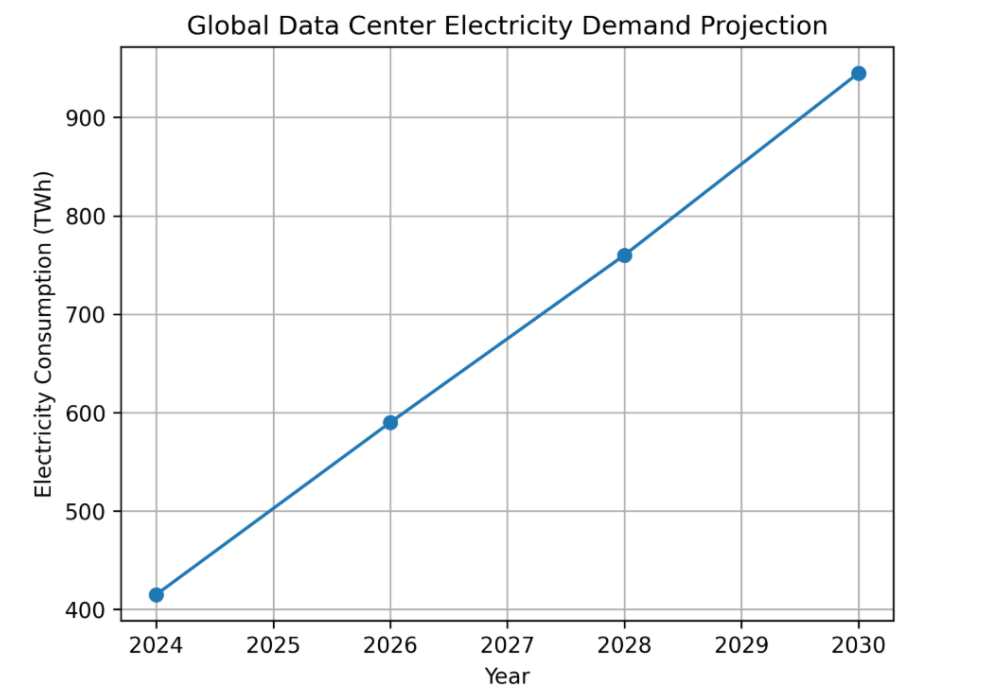
Figure 1. Global Data Center Electricity Demand Projection (2024–2030)
Global electricity consumption from data centers is projected to rise sharply as AI computing and hyperscale cloud infrastructure continue expanding.
Geopolitical Risk and Rising Data Center Energy Costs
As the backbone of the digital economy, data centers operate as highly energy-intensive facilities. Any disruption in global energy markets directly affects their operational costs.
In Indonesia, electricity expenses account for approximately 40 percent to 60 percent of total data center operating costs. Research from the Uptime Institute on data center cost structures shows that electricity remains the single largest operating expense for most data center operators worldwide.
Energy cost increases also significantly affect cooling infrastructure. According to energy efficiency research conducted by the National Renewable Energy Laboratory (NREL) cooling systems represent the second largest energy consumer in a typical data center after IT equipment.
As global computing demand rises, these energy challenges are expected to intensify. The rapid expansion of artificial intelligence models, large-scale cloud platforms, and hyperscale data centers is dramatically increasing electricity demand across the digital infrastructure sector.
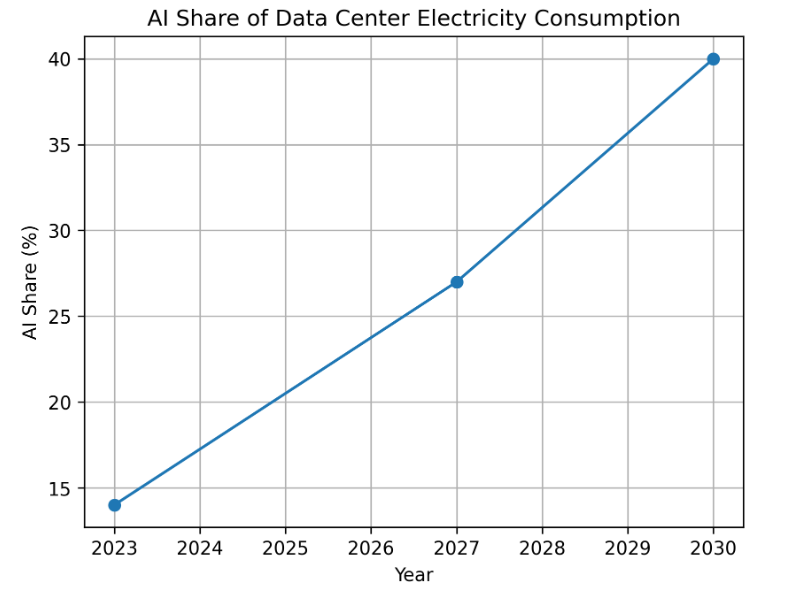
Figure 2. AI Share of Data Center Electricity Consumption
Artificial intelligence is expected to account for an increasing portion of total data center electricity demand by the end of the decade.
A recent analysis by Goldman Sachs suggests that AI-driven data centers alone could increase global power demand by up to 160 percent by 2030, making energy supply stability a critical strategic concern for operators.
Southeast Asia: The Next Hyperscale Data Center Hub
Southeast Asia is rapidly emerging as one of the fastest-growing regions for data center development. Countries such as Singapore, Indonesia, and Malaysia are attracting significant investments from global cloud providers including Amazon Web Services, Microsoft Azure, and Google Cloud.
Indonesia, in particular, holds a strategic advantage due to its large digital economy, rapidly growing internet population, and supportive regulatory environment.
According to projections from Google, Temasek, and Bain’s e-Conomy SEA report, Indonesia’s digital economy is expected to surpass USD 130 billion by 2025, significantly increasing demand for cloud infrastructure and data center capacity.
However, this rapid expansion also introduces a major challenge: energy sustainability.
Without stable and affordable electricity sources, Indonesia’s ambition to become a regional digital infrastructure hub could face significant constraints.
Power Purchase Agreements: A Strategic Energy Hedge
To address energy volatility, many global technology companies are increasingly relying on Power Purchase Agreements (PPA).
According to the U.S. Department of Energy explanation of renewable energy PPAs, PPAs allow organizations to secure long-term electricity supply at predictable pricing, often for periods ranging between 10 and 20 years.
This model enables data center operators to protect themselves from fossil fuel price fluctuations while simultaneously supporting renewable energy development.
When data centers partner with renewable energy producers such as geothermal or solar developers, they gain access to stable electricity pricing structures that are less exposed to geopolitical shocks.
Analysts estimate that renewable energy PPAs can reduce long-term operational energy costs by 12 percent to 18 percent annually, especially during periods of fossil fuel market instability.
The Strategic Role of BREN and PGEO in Indonesia’s Energy Transition
Within Indonesia’s renewable energy landscape, two companies are becoming increasingly important for supporting the future of digital infrastructure: Barito Renewables Energy (BREN) and Pertamina Geothermal Energy (PGEO). Both companies are strategically positioned to provide renewable energy solutions that align with the needs of hyperscale data center infrastructure.
Geothermal as a Baseload Energy Source
Unlike solar or wind power, geothermal energy provides continuous baseload electricity generation.
This is particularly important for data centers that require near-perfect uptime reliability. Geothermal plants can operate 24 hours a day, making them an ideal renewable energy source for digital infrastructure.
Indonesia holds one of the world’s largest geothermal reserves, representing a significant opportunity to power future data center growth using domestic renewable energy.
ESG Compliance and Green Financing
Environmental, Social, and Governance (ESG) considerations are increasingly shaping investment decisions in the global technology sector.
According to McKinsey research on ESG and corporate value creation companies that adopt strong sustainability strategies tend to attract greater investor confidence and lower financing costs.
By integrating renewable energy through partnerships with companies such as BREN and PGEO, Indonesian data center operators can strengthen their ESG credentials while gaining access to green financing opportunities.
Strengthening Digital Energy Sovereignty
Overreliance on imported fossil fuels exposes digital infrastructure to geopolitical risks. Developing domestic renewable energy sources such as geothermal can improve Indonesia’s energy independence while supporting long-term digital infrastructure growth.
Industry Snapshot: Green Energy Adoption Among Indonesian Data Center Players
Several Indonesian companies have already begun integrating renewable energy strategies into their digital infrastructure operations.
Strategic Overview: Renewable Energy Adoption in Indonesia’s Data Center Ecosystem (2026)
Data Center Company | Energy Partnership / ESG Strategy | Primary Energy Source | Operational Efficiency Impact |
DCI Indonesia (DCII) | Strategic renewable initiatives with Salim Group | Solar and geothermal potential | Power Usage Effectiveness (PUE) below 1.1 |
Telkom Indonesia (TLKM) | Collaboration with Pertamina Geothermal Energy | Geothermal and hybrid grid | Stable electricity pricing for hyperscale facilities |
Indosat (ISAT) | BDx Green Data Center initiative | Renewable Energy Certificates (REC) https://www.re100.org/recs | Reduced carbon tax exposure |
Astra International (ASII) | Investment in green digital infrastructure | Internal renewable portfolio and BREN | Integrated energy ecosystem |
Conclusion: The Future of Digital Infrastructure Is Renewable
The ripple effects of the 2026 geopolitical crisis highlight an important reality: energy security has become a critical factor for the future of digital infrastructure.
As artificial intelligence, cloud computing, and global data traffic continue to grow, electricity demand from data centers will increase significantly.
Transitioning toward renewable energy partnerships with companies like BREN and PGEO represents one of the most strategic moves for Indonesian data center operators.
Beyond reducing operational costs, renewable energy integration will play a crucial role in ensuring long-term sustainability, attracting global investment, and positioning Indonesia as a leading digital infrastructure hub in Southeast Asia.


