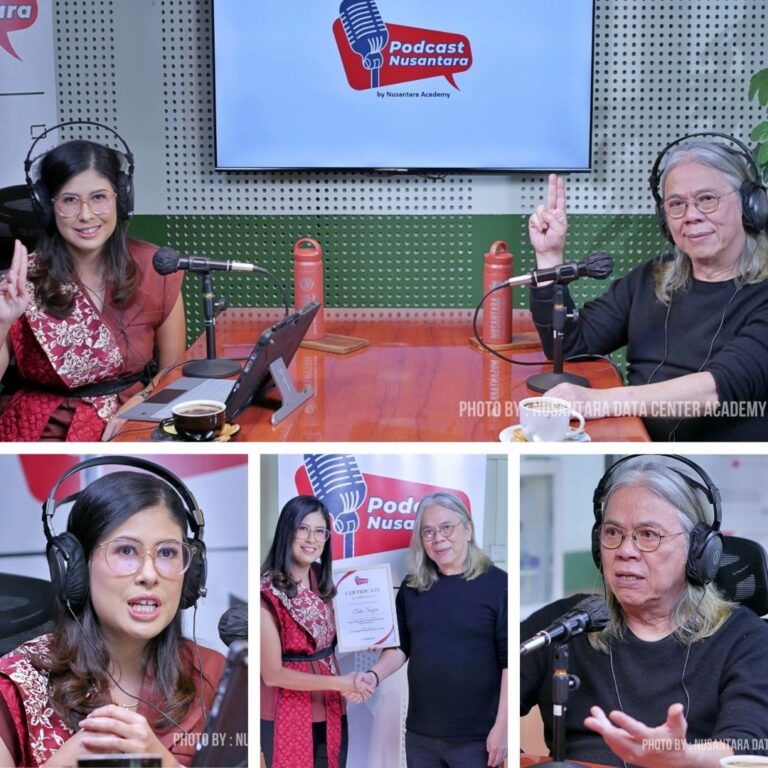
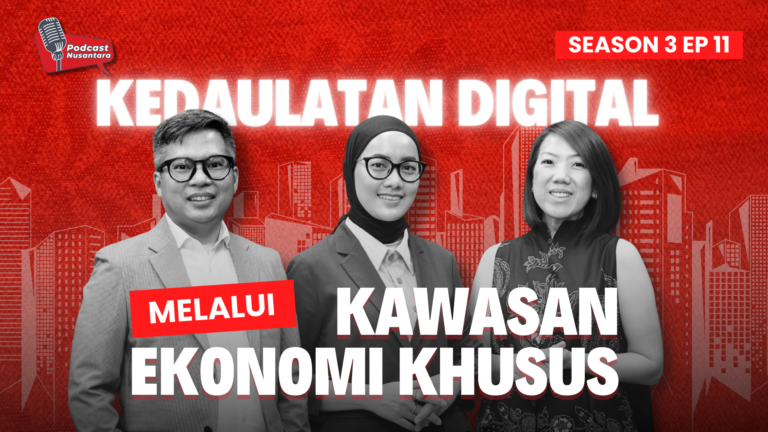
Season 3 Episode 11
"Membangun Kedaulatan Digital Indonesia dengan Hadirnya Kawasan Ekonomi Khusus (KEK)"
Kawasan Ekonomi Khusus (KEK) kini bukan sekadar wilayah industri—mereka telah berkembang menjadi ekosistem digital strategis yang mendorong investasi teknologi, pembangunan data center, pemanfaatan cloud computing, AI, dan IoT, serta membuka peluang bagi UMKM untuk berpartisipasi dalam ekonomi digital nasional.
Dalam episode ini, kita membahas secara mendalam bagaimana KEK mendorong kedaulatan digital Indonesia, termasuk regulasi dan insentif yang mempermudah pelaku industri teknologi, sinergi antar KEK, serta strategi agar Indonesia menjadi tuan rumah atas data, teknologi, dan talenta lokal.
Kami juga menyoroti tantangan dan peluang bagi UMKM dan talenta digital lokal untuk masuk ke ekosistem digital yang semakin kompetitif.
Key Topics Discussed:
- Bagaimana KEK mempermudah investasi teknologi dan pembangunan data center di Indonesia.
- Regulasi dan insentif yang mendukung kemudahan berbisnis di sektor teknologi digital.
- Sinergi antar KEK untuk memperkuat ekosistem digital nasional.
- Strategi agar Indonesia menjadi tuan rumah data, teknologi, dan talenta lokal.
- Tantangan dan peluang bagi UMKM dan talenta digital lokal dalam ekosistem KEK.
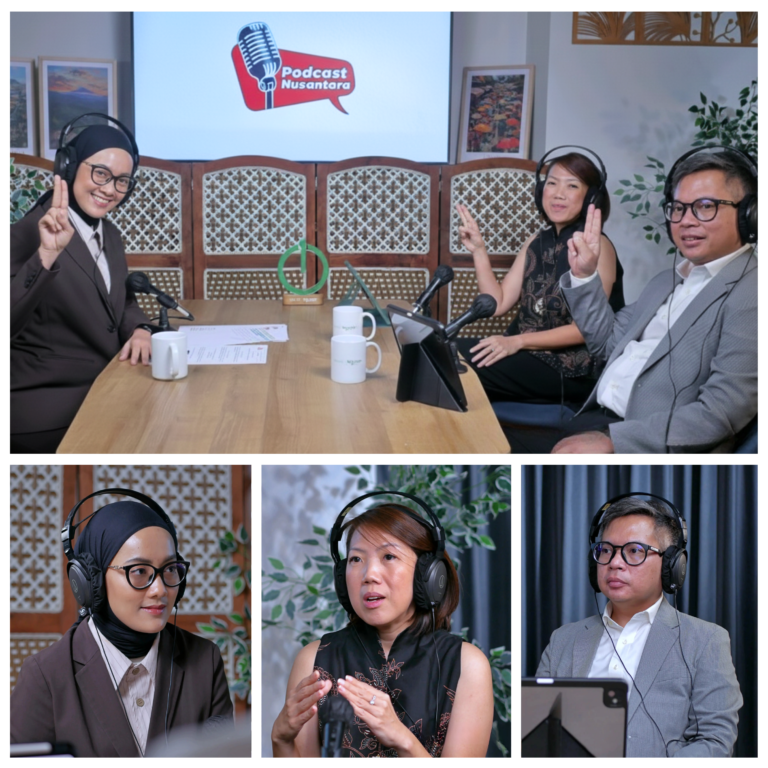
Maulin Nastria – Assistant Manager Corporate Communications, Neutra DC
Invited Subject Matter EXPERT:
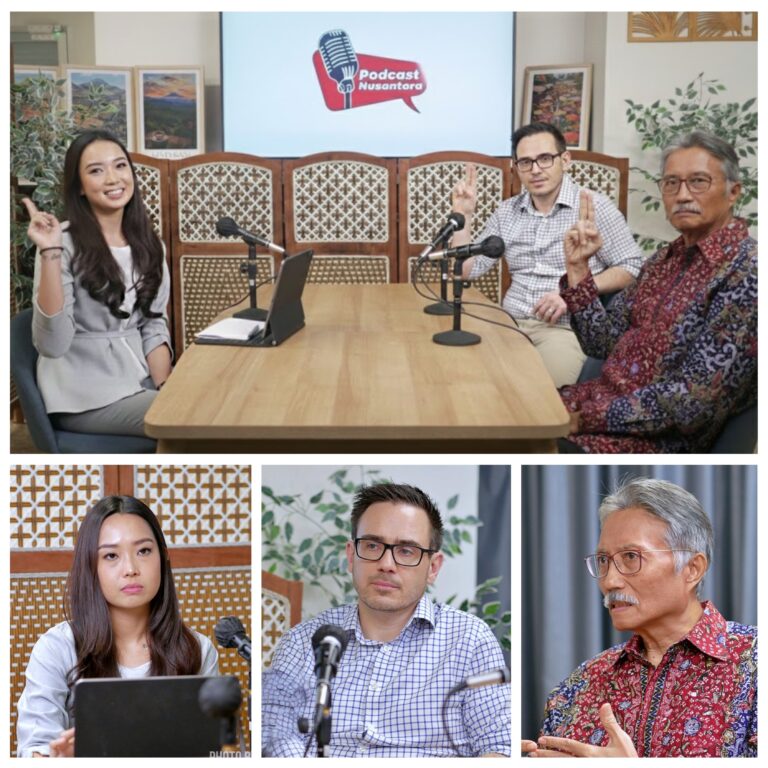
Ellya Cen – Business VP Data Center, Schneider Electric Indonesia
Rakhmat Yulianto – Director of Investment Promotion Development, Ministry of Investment and Downstream Industry/BKPM
Season 3 Episode 10
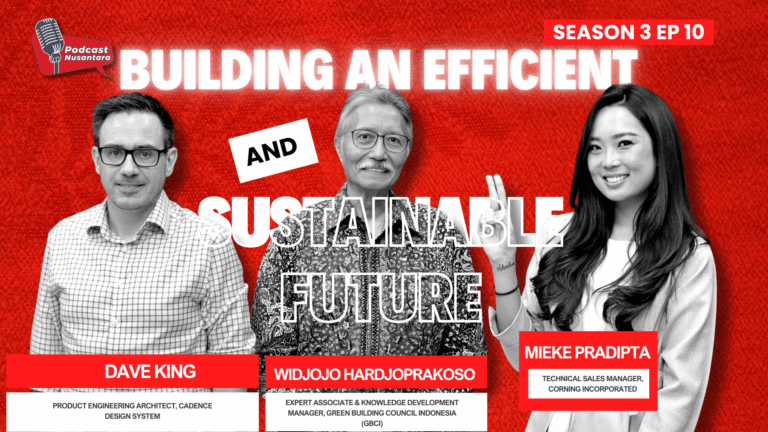
“Digital Twin Revolution: Building an Efficient and Sustainable Future”
The Digital Twin Revolution is reshaping how modern data centers operate in an era of rising complexity, higher energy consumption, and increasing pressure to meet sustainability goals. Operators are now expected to deliver peak performance while optimizing every watt of energy and minimizing environmental impact.
Digital Twin technology enables this shift by creating a dynamic digital replica of physical infrastructure. Through real-time simulation, predictive analysis, and precise performance optimization, operators gain deep visibility into cooling behavior, power distribution, airflow dynamics, and potential failure points long before they disrupt operations.
Beyond operational efficiency, the Digital Twin Revolution plays a strategic role in driving long-term sustainability. It strengthens ESG commitments, supports net-zero ambitions, and empowers organizations to build resilient, future-ready digital infrastructure that is cleaner, smarter, and more adaptive to evolving demands.
Key Topics Discussed:
- Understanding the current landscape and trends of Digital Twin adoption in Indonesia.
- Real-world implementation cases that improve energy efficiency and operational reliability.
- Strategic sustainability benefits for industries, including ESG alignment and regulatory compliance.
- Key implementation challenges and the importance of cross-sector collaboration between companies, associations, and government.
- Future steps toward developing national standards for sustainable digital infrastructure and broader Digital Twin integration.
HOST : Mieke Pradipta – Technical Sales Manager, Corning Incorporated
Invited Subject Matter EXPERT:
Dave King – Product Engineering Architect, Cadence Design System
Widjojo Hardjoprakoso – Expert Associate & Knowledge Development Manager, Green Building Council Indonesia (GBCI)
Season 3 Episode 9
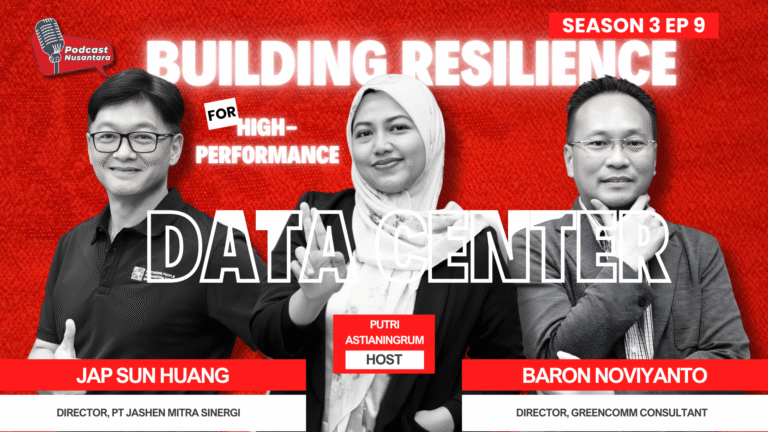
"Inside the Power Core: Building Resilience for High-Performance Data Centers"
As the digital ecosystem expands, data centers are becoming increasingly power-hungry — pushing electrical infrastructures to their limits. Behind every high-performance facility lies a power system designed not only for stability but also for resilience, adaptability, and future scalability.
But what happens when electrical demand surges beyond design thresholds? Or when a single point of failure triggers a cascade of operational disruptions?
Power incidents inside a data center are not just electrical faults — they are mission-critical failures. One overload can damage equipment, disrupt cooling systems, trigger downtime, and ultimately cost businesses millions while jeopardizing customer trust.
Key Topics Discussed:
- Why power resilience is more than just power availability — it is about designing systems that can withstand load spikes, component failures, and operational stress.
- How rising AI workloads and multi-cloud computing are reshaping the future of power system architecture inside data centers.
- The importance of early detection, load balancing, and preventing electrical overload to avoid irreversible damage to IT and electrical infrastructure.
- What “single point of failure” looks like in a real data center environment, and the strategies required to eliminate it through smart design.
- How integrated systems — from UPS, generators, switchgear, to medium-voltage distribution — work together to ensure continuity and rapid restoration during disruptions.
- Best practices in automation, real-time risk monitoring, and maintenance to minimize human error and operational downtime.
- The evolving skill sets engineers and technicians must master to manage increasingly complex medium-voltage systems while adapting to smart-grid technologies.
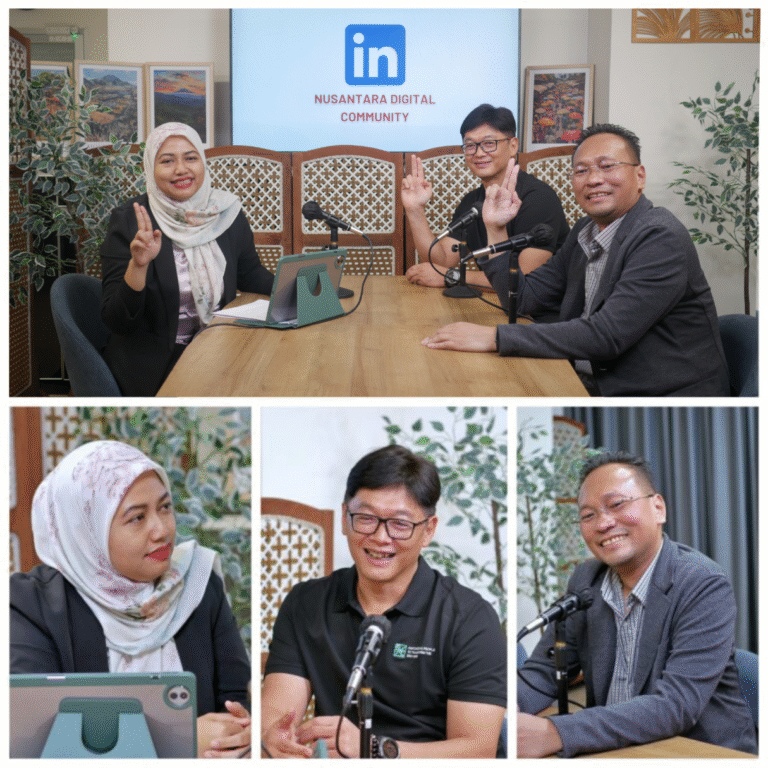
HOST : PUTRI ASTIANINGRUM - sALES ENGINEER IT, PT RITTAL INDONESIA.
Invited Subject Matter EXPERT:
Jap Sun Huang – Director, PT Jashen Mitra Sinergi
Baron Noviyanto – Director, Greencomm Consultant
Season 3 Episode 8
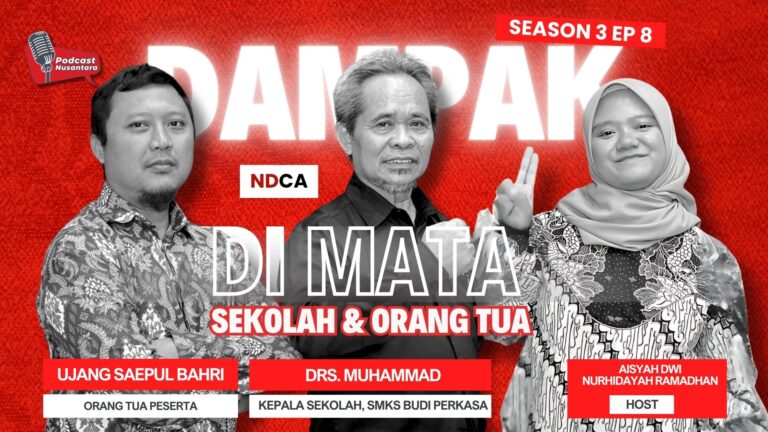
"The Impact of NDCA Through the Eyes of Schools and Parents"
Behind every skilled graduate is a strong support system — from schools that nurture potential to parents who witness transformation up close.
In this episode, Podcast Nusantara dives into the real impact of the Nusantara Data Center Academy (NDCA) as seen from the perspectives of schools and parents whose students have completed the Industrial Vocational Class program.
How has NDCA transformed the way schools prepare their students for the digital workforce? What changes have parents noticed in their children — in confidence, mindset, and readiness for real-world challenges?
This episode uncovers how collaboration between education, industry, and family creates not only capable graduates but also future-ready digital talents who are equipped to thrive in Indonesia’s growing data center ecosystem.
Key Topics Discussed:
- How NDCA bridges vocational education with real industry needs.
- The school’s role in integrating industry-based learning experiences.
- Parents’ perspectives on personal and professional growth after NDCA.
- Why collaboration between educators, parents, and industry partners is vital.
- How NDCA sets an example for vocational talent development in Indonesia’s digital landscape.
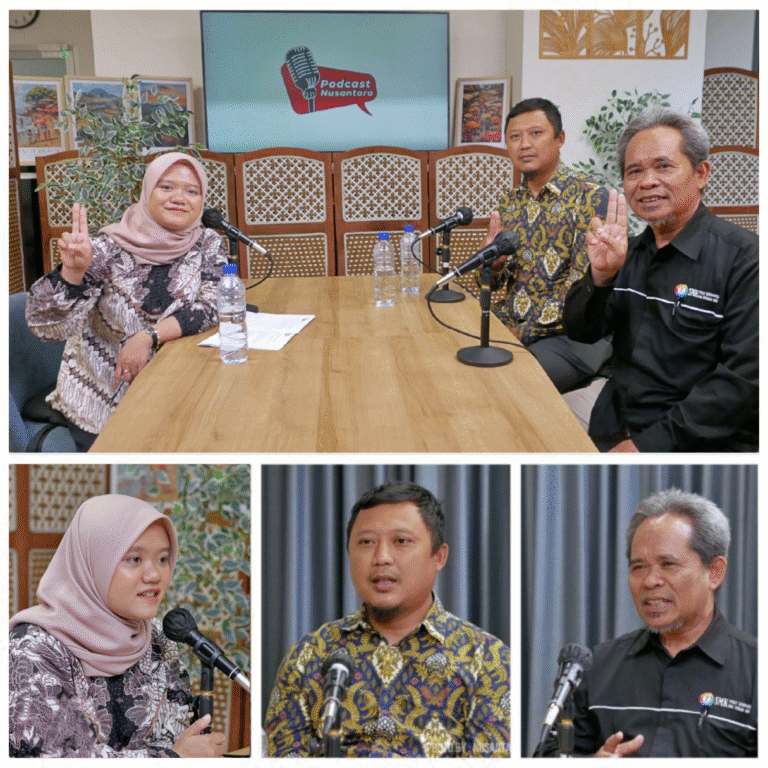
HOST : Aisyah Dwi Nurhidayah Ramadhan - Team Leader, Nusantara Academy.
Invited Subject Matter:
Drs. Muhammad – Principle, SMK Budi Perkasa
Ujang Saipul Bahri – Parent of Industry Vocational Class Participant
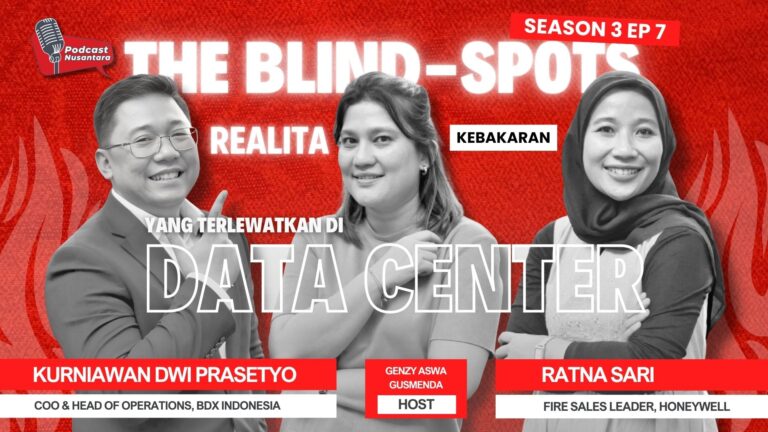
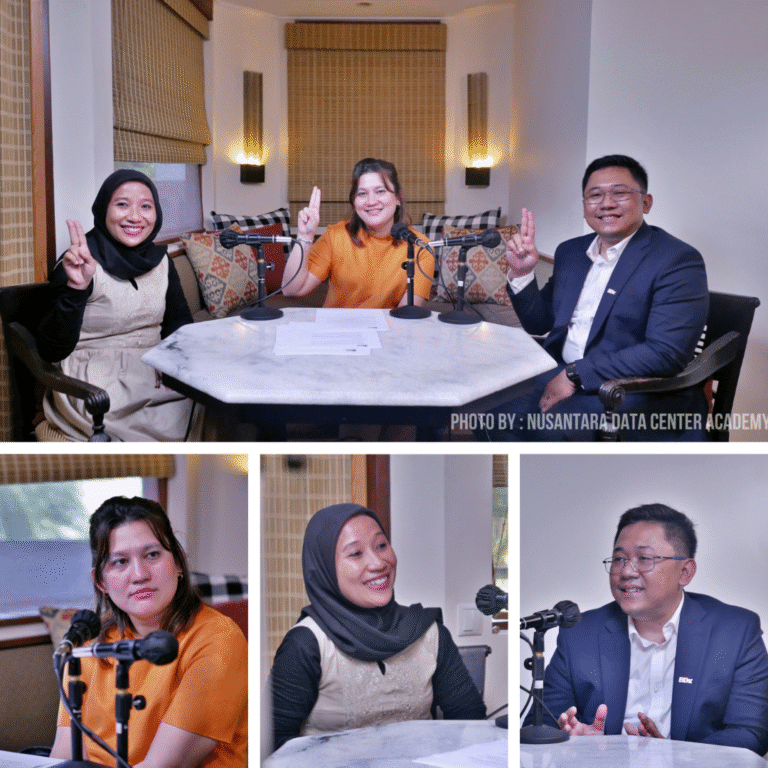
Season 3 Episode 7
"The blind-spots: What we missed about fire safety in the data center"
In an era where data is more valuable than gold, data centers have become the beating heart of the digital economy. But what happens when the very systems designed to store and protect our most critical assets face one of their greatest threats: fire?
Fire incidents in data centers aren’t just technical failures, they’re operational catastrophes. One spark can lead to millions of users losing access, critical data being compromised, and businesses suffering lasting reputational and financial damage.
Key Topics Discussed:
Why fire protection in data centers isn’t just about having alarms and sprinklers, it’s about designing resilience from the ground up.
The most common causes of data center fires that often go unnoticed and why early detection systems like VESDA are game-changers.
What we mean by “blind spots” in fire detection, and how poor design or space constraints can leave entire zones vulnerable.
How holistic systems from gas-based suppression to Bi-Directional Amplifiers (BDA) ensure not just fire response, but life safety and uninterrupted communication.
The shared responsibility between building owners, operators, and fire system vendors to maintain readiness, even in rare emergencies.
HOST : Genzy Aswa Gusmenda - Sales Manager, Aggreko.
Invited Subject Matter Experts:
Ratna Sari – FIRE Sales Leader, Honeywell
Kurniawan Dwi Prasetyo – Director & COO, BDx Indonesia
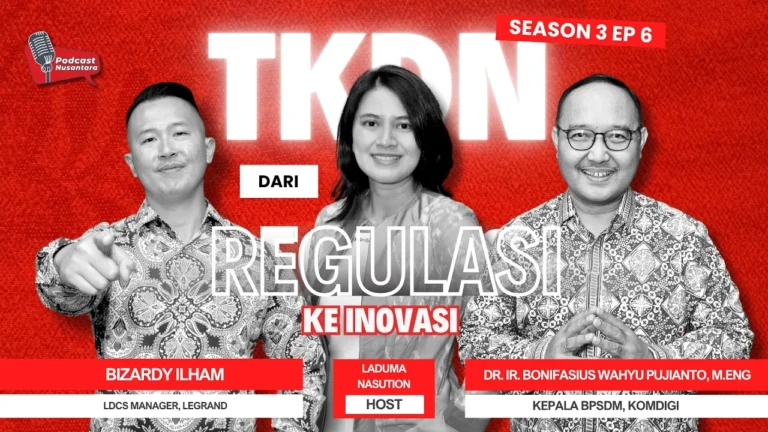
Season 3 Episode 6
"What’s Beyond TKDN (Tingkat Komponen Dalam Negeri)? Local Tech Development Impact"
we’ll explore how the TKDN (Domestic Component Level) policy is not just a regulatory instrument, but also a key driver in building Indonesia’s digital sovereignty.
TKDN is no longer merely about local content percentages—it has evolved into a national strategy to foster innovation, strengthen the technology ecosystem, and build the country’s technological independence. Amid rapid digital transformation and the growing adoption of technologies like AI, the role of TKDN is becoming increasingly relevant and strategic.
We’ll also take a closer look at how collaboration between government, industry, and the education sector is essential to delivering robust digital infrastructure and developing job-ready digital talent for the future.
Key Topics Discussed:
Why the relevance of TKDN (Domestic Component Level) is being questioned in the face of rapid digital innovation and global tech integration.
The key challenges faced by local industries—ranging from limited innovation and infrastructure to the shortage of skilled digital talent.
How companies can meet international standards with 40.75% local content, and what this means for globally competitive, locally produced technology.
How Komdigi views global vendors like Legrand as strategic partners in fulfilling TKDN, strengthening local innovation, and nurturing talent ecosystems.
- What the next 5–10 years might look like as global tech players collaborate to build Indonesia’s technological self-reliance through talent development and infrastructure support.
HOST: Laduma Nasution - Business Development Manager, Sinux.
Invited Subject Matter Experts:
Bizardy Ilham – LDCS Manager of Legrand
Dr. Ir. Bonifasius Wahyu Pujianto, M.Eng – BPSDM Head of Komdigi
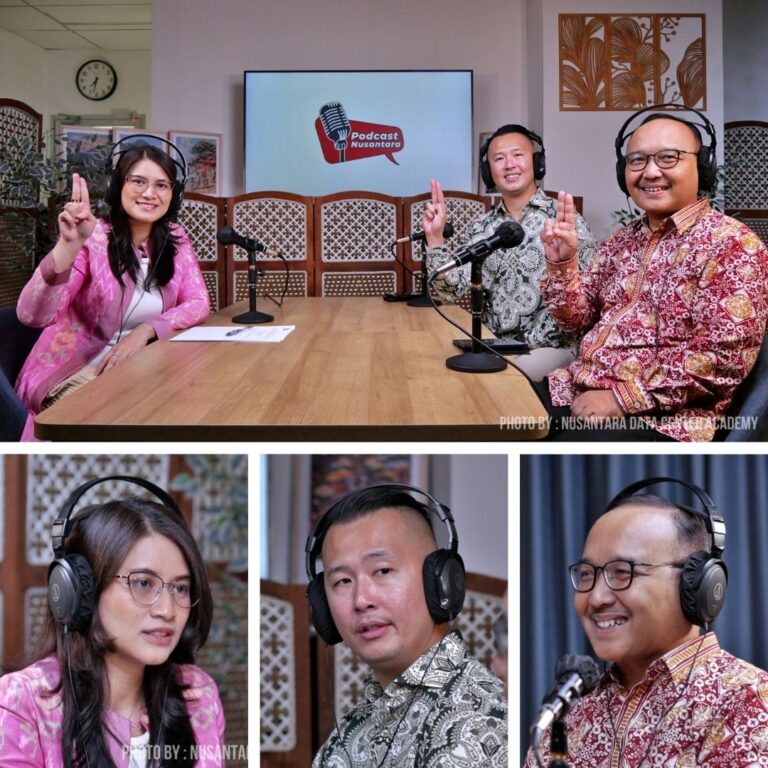
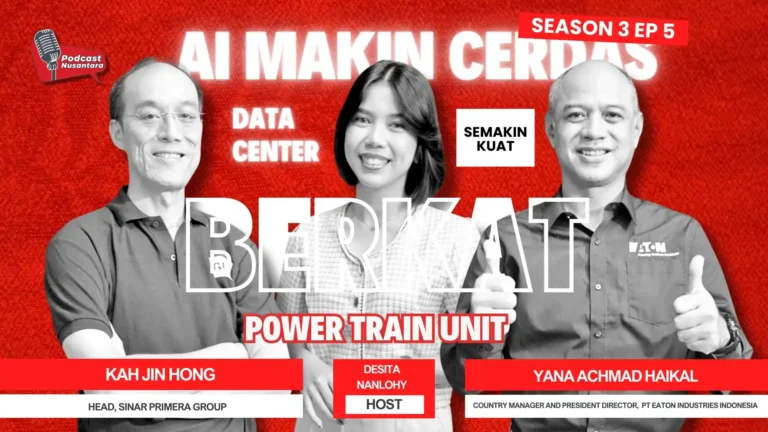
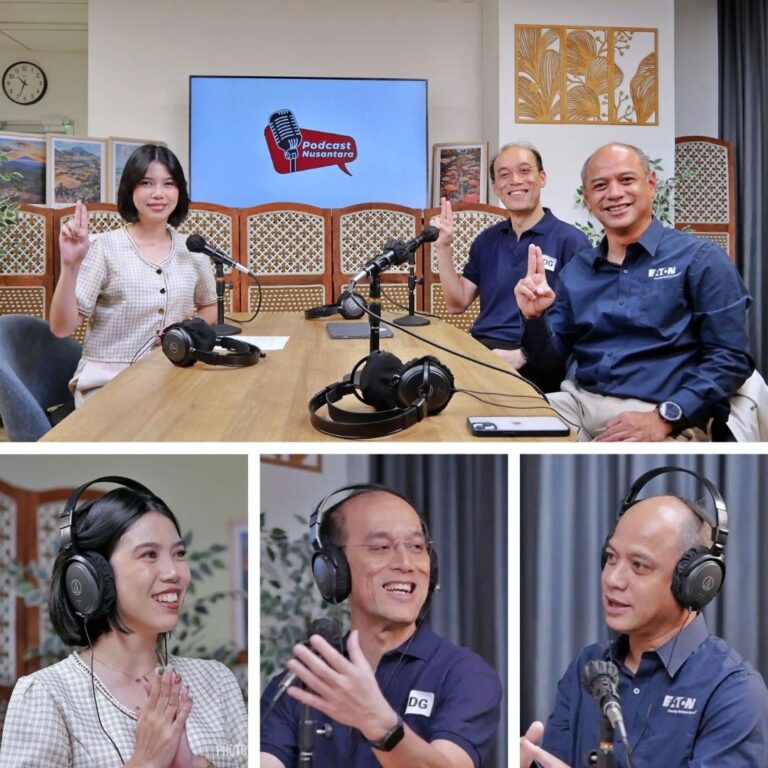
Season 3 Episode 5
"Prefab Data Center: A New Speed-To-Market Era of Modular Design & Construction"
The Power Train Unit (PTU) is an innovative solution designed to address the increasing power demands of data centers, particularly with the rise of AI and HPC technologies. With its modular design and prefabricated components, PTU accelerates implementation and reduces costs compared to building infrastructure from the ground up.
We’ll also highlight the successful PTU deployment at Golden Digital Gateway in Batam and its integration with renewable energy sources such as solar panels and Battery Energy Storage Systems (BESS). PTU’s adaptability ensures it can scale effortlessly to meet the needs of both hyperscale and edge data centers, enabling gradual power expansion without disruption.
Finally, we’ll explore upcoming PTU innovations and discuss how companies can tackle talent shortages to implement PTU successfully.
Key Topics Discussed:
- How Power Train Unit (PTU) is a smart solution to meet the growing power demands of data centers, especially with the adoption of AI and HPC technologies.
- The benefits of PTU, including modularity and prefabrication, which accelerate the implementation process.
- How PTU can integrate with renewable energy sources like solar panels and Battery Energy Storage Systems (BESS).
- How PTU contributes to sustainability efforts and reduces carbon footprints.
- Future innovations in PTU and how companies can overcome challenges related to the availability of skilled local talent for PTU implementation.
HOST: Desita Nanlohy - Assistant Manager, Research JLL.
Invited Subject Matter Experts:
Yana Achmad Haikal – Country Manager and President Director of PT Eaton Industries Indonesia
Kah Jin Hong – Head of Sinar Primera Group
Season 3 Episode 4
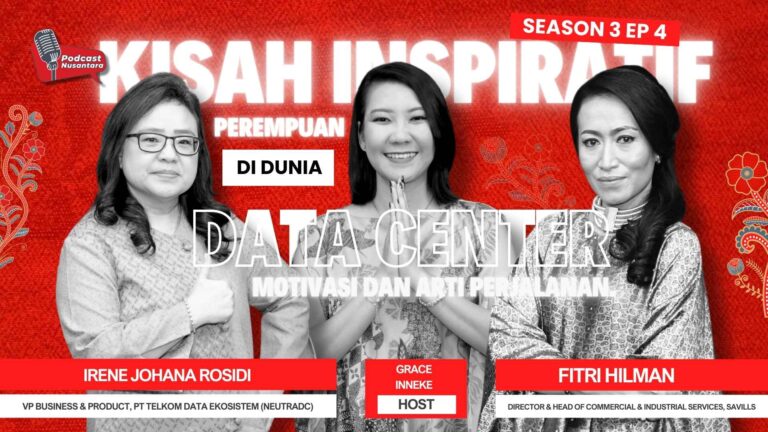
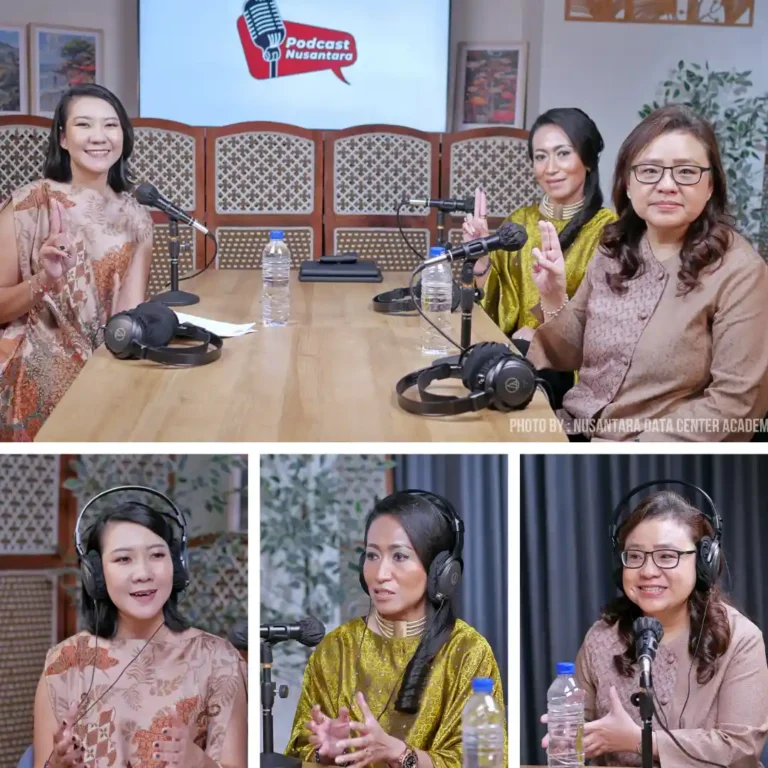
"Women in the Data Centers Special Kartini Day"
Empowering Insights: Discover the Data Center Industry Through the Eyes of Trailblazing Women. Uncover their sources of motivation, the pivotal moments that shaped their careers, and concrete strategies for conquering early challenges. Plus, gain actionable tips for building strong, successful teams and achieving a harmonious work-life balance.
Key Topics Discussed:
- The reasons behind women’s decision to pursue a career in the data center industry.
- Their career journey and the early challenges they faced.
- Real-life stories of confronting gender bias in a male-dominated workplace.
- The most difficult experiences encountered while working in the data center world.
- How to maintain a healthy balance between work and personal life.
- Strategies and insights on leading in an industry still dominated by men.
HOST: Grace Inneke - VS Sales and Business Development Manager, Bosch Indonesia.
Invited Subject Matter Experts:
Irene Johana Rosidi – VP Business & Product, PT Telkom Data Ekosistem (NeutraDC)
Fitri Hilman – Director and Head of Commercial & Industrial Services, Savills
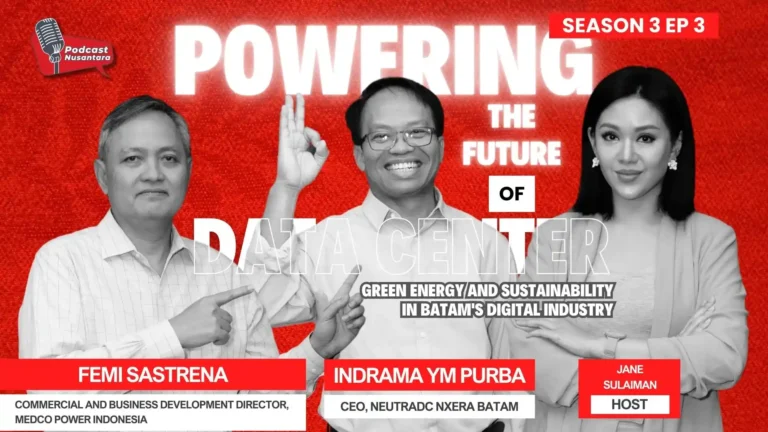
Season 3 Episode 3
"Powering the Future: Can Data Centers Go 100% Green?"
Development of the data center industry in Batam and its impact on the regional digital landscape. One of these topics is the data center moratorium in Singapore, which has affected the industry in the region, pushing many companies to look for alternative locations like Batam. This has made Batam increasingly attractive as a regional data center hub, thanks to its strategic location and growing infrastructure.
Explore how Batam is addressing energy challenges, given the high energy demand for operating data centers. Batam is working to tackle this by relying on renewable energy sources, which are expected to reduce environmental impact while meeting the ever-growing energy needs.
Key Topics Discussed:
- The impact of the data center moratorium in Singapore, which is driving a shift to other locations.
- Reasons why Batam is the top choice for regional data center development.
- The challenges Batam faces in managing high energy demands and efforts to transition to renewable energy.
- Batam’s infrastructure readiness to handle the surge in data center demand and become a regional digital hub.
- Strategic steps Batam needs to take to compete in the Southeast Asian technology market.
- The challenges and prospects of data centers operating entirely on renewable energy.
- The skills and competencies required to support the operation of data centers in Batam..
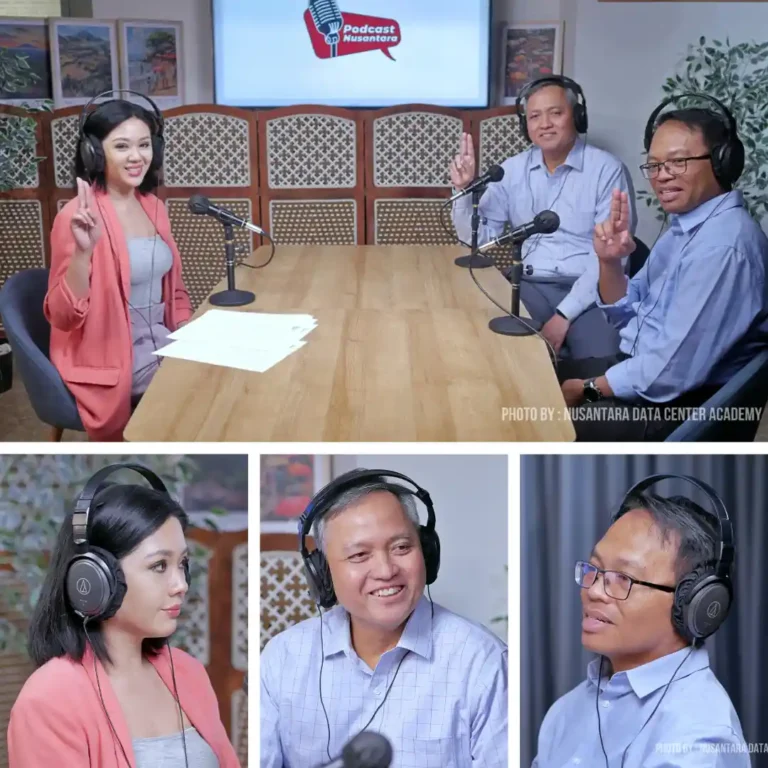
HOST: Jane Sulaiman - Specification Manager, Tremco Construction Products Group
Invited Subject Matter Experts:
Indrama YM Purba – CEO, NeutraDC Nxera Batam
Femi Sastrena – Commercial and Business Development Director, Medco Power Indonesia
Season 3 Episode 2
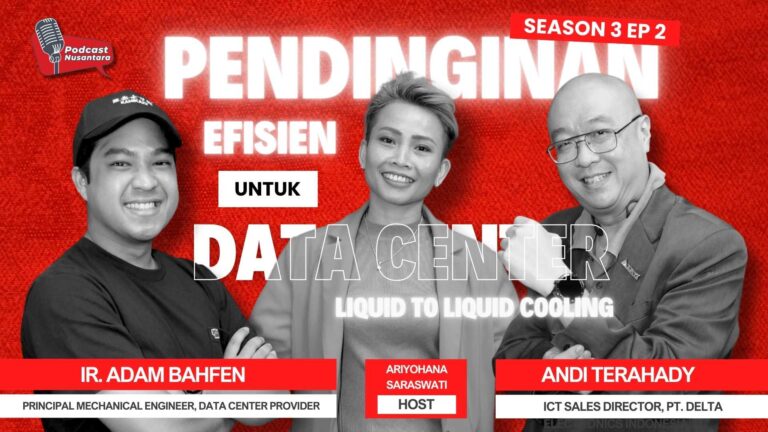
"Maximizing Energy Efficiency with Liquid-to-Liquid Cooling Distribution in Data Centers"
In the ever-evolving data center industry, managing heat has become an increasingly complex challenge due to the rising power density of servers. Traditionally, air cooling was the primary method for maintaining optimal temperatures in IT equipment. However, as power density continues to grow, air cooling is no longer sufficient to effectively dissipate heat.
Introducing Liquid-to-Liquid (L2L) Cooling — a cutting-edge solution that acts as a heat exchanger between two distinct liquid cooling loops. While the adoption of L2L CDU (Cooling Distribution Units) is still in its early stages in Indonesia, it is rapidly gaining traction due to the growing demand for hyperscale data centers and stricter energy efficiency regulations.
Key Topics Discussed:
- The explanation of what Liquid-to-Liquid Cooling is and how it works.
- A comparison of Liquid Cooling and Air Cooling in terms of efficiency and performance.
- The key components involved in implementing Liquid-to-Liquid Cooling on a large scale.
- The applicability of L2L CDU technology beyond hyperscale data centers to other types of facilities.
- The impact of adopting Liquid-to-Liquid Cooling on energy consumption in data centers.
- The challenges faced in implementing L2L Cooling, especially in regions like Indonesia.
- The role of L2L Cooling in contributing to sustainable and environmentally friendly data center operations.
HOST: Ariyohana Saraswati - Indonesia Head Account, Willowmore Pte. Ltd.
Invited Subject Matter Experts:
Andi Terahady – ICT Sales Director, PT. Delta Electronics Indonesia
Ir. Adam Bahfen – Principal Mechanical Engineer, Data Center Provider

Season 3 Episode 1
"The Story of Toto Sugiri in Building a Data Center Business"
Did you know that Bapak Toto Sugiri, a visionary entrepreneur in Indonesia’s tech sector, founded DCI in 2011 with a mission to create world-class data centers?
His innovative contributions not only advanced Indonesia’s digital infrastructure but also promoted eco-friendly technology practices! Thanks to his leadership, the country is now better equipped for digital growth and sustainability.
Key Topics Discussed:
- Motivation for Building a Data Center Business.
- International Quality Data Centers and Indonesia’s Work Ethic.
- Values Necessary to Survive as a Local Data Center.
- Areas for Development to Compete with Johor Bahru.
- DCI’s Actions Towards Sustainability.
- Opportunities from the Challenge of Talent Shortage in the Next 5 Years.
- Requirements for Reduced Data Center Needs.
HOST: Farazia Basarah — Country Head, JLL Indonesia
Invited Subject matter expertS:
Toto Sugiri — CEO, DCI Indonesia