
Indonesia’s data center industry is at a pivotal moment. The rapid expansion of the digital economy especially after the COVID-19 pandemicha s fueled an urgent demand for reliable, secure, and efficient data storage and processing infrastructure. The surge in technology usage from cloud services and e-commerce to entertainment platforms has positioned data centers as the backbone of the nation’s digital transformation.
In a podcast hosted by Nusantara Data Center Academy, several senior industry practitioners discussed the current state of the sector, highlighting both its opportunities and its pressing challenges. The conversation covered infrastructure requirements, user trust, regulatory bottlenecks, workforce shortages, and the need for integrated industry standards.
Digital Transformation as the Main Growth Driver
Indonesia, alongside other Southeast Asian nations, is becoming a focal point for global digital economy growth. Everyday activities such as navigating with Google Maps, booking ride-hailing services, or making online transactions generate millions of gigabytes of data every minute. All of this data must be stored and processed by infrastructure that is not only large in capacity but also capable of delivering 24/7 availability.
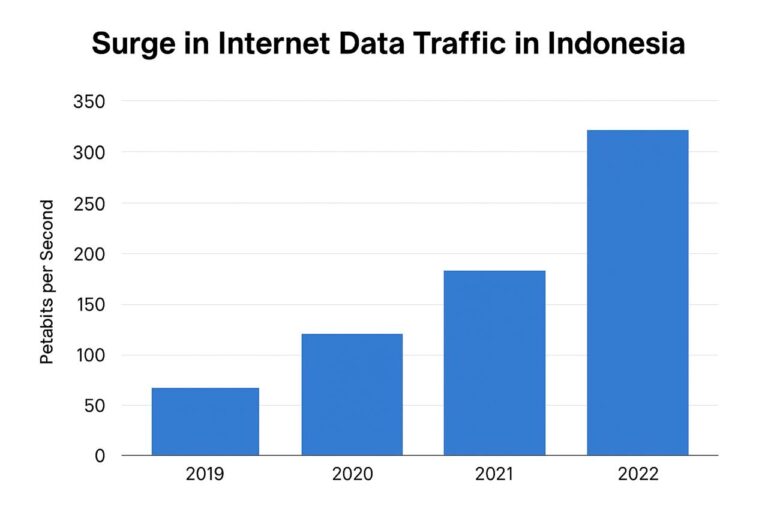
This growing demand creates significant investment opportunities in the data center sector. However, these opportunities must be matched with high-performance standards, both technically and operationally, to meet market expectations and ensure long-term viability.
Trust and Location as Key User Considerations
For users such as technology companies, internet service providers, and financial institutions, choosing a data center location goes beyond technical specifications. Non-technical factors such as proximity, accessibility, regional security, and personal relationships with the technical team can be just as important.
Trust in the operator’s ability to handle outages, perform routine maintenance, and protect sensitive data often becomes a differentiating factor in securing long-term customer loyalty. In other words, customer service and transparent communication are powerful competitive advantages in this industry.
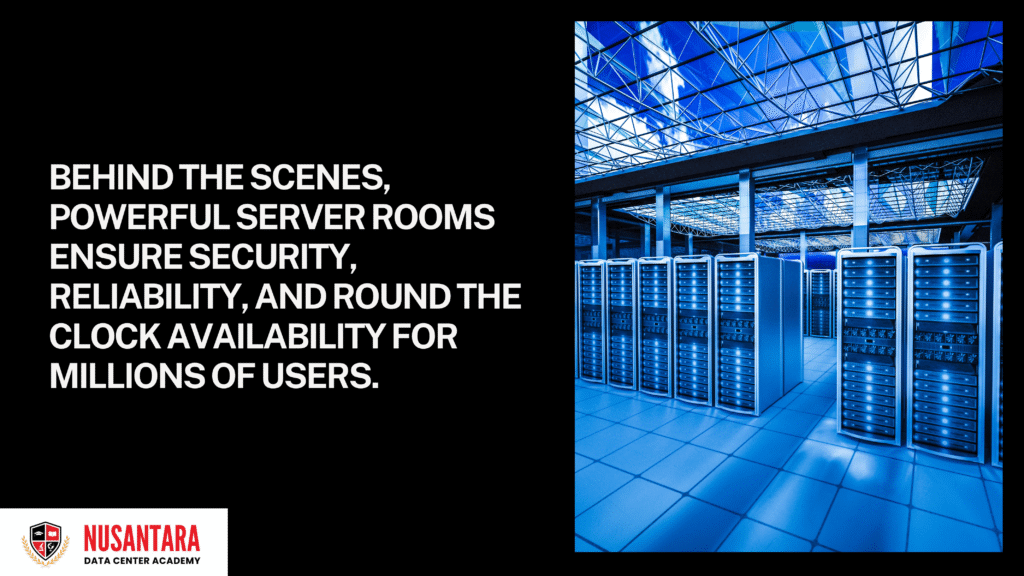
Six Non-Negotiable Pillars of Data Center Infrastructure
The operational success of a data center depends on six core pillars:
- Security – including fire prevention, physical security, and cybersecurity.
- Resource Availability – reliable access to power, communication, and water.
- 24/7 Uptime Design – redundancy systems to ensure uninterrupted operation.
- Efficiency – optimized energy and cooling management.
- System Reliability – consistent performance with minimal risk of failure.
- Scalability – the ability to expand capacity as user needs grow.
Without these pillars, data centers face a higher risk of downtime, which can severely damage their reputation and erode client trust.
Regulatory and Bureaucratic Barriers
Despite the promising market potential, data center construction in Indonesia often suffers from lengthy and layered permitting processes. Outside industrial zones, obtaining the necessary approvals can take 12–18 months, discouraging investors in an industry where speed is critical.
Industry practitioners suggest streamlining regulations and introducing phased approvals—for example, granting structural permits before full building permits—to allow construction to begin sooner. This approach has proven effective in certain industrial areas and could serve as a model nationwide.
Skilled Workforce Shortages: The Biggest Challenge
One of the most urgent issues is the lack of trained professionals in the sector. In the next five years, demand for skilled labor is projected to grow fivefold compared to current capacity.
Data centers require not only IT and networking specialists but also electrical, mechanical, and civil engineers, fire safety experts, architects, and on-site technicians. The shortage of multidisciplinary talent has the potential to become a bottleneck that slows down both construction and operations.
Education and Training Gaps
University curricula in Indonesia remain heavily theoretical and often fail to address the practical skills needed for data center operations. The absence of specialized degree programs or structured national certifications means that fresh graduates are often unprepared for the demands of the industry.
A stronger collaboration between academia and industry is essential. This includes designing training programs, internships, and certification pathways that focus on technical skills, problem-solving, and cross-disciplinary coordination. Initiatives like the Nusantara Data Center Academy are positive steps, but their reach needs to be expanded to meet nationwide demand.
Data Center Standards Require Multidisciplinary Integration
A common misconception is that data center standards are simply a checklist of requirements. In reality, true standards integrate multiple disciplines electrical systems, mechanical design, civil engineering, network infrastructure, and environmental controls.
Indonesia, being prone to earthquakes and power fluctuations, requires stricter, more adaptive standards that take local conditions into account. This multidisciplinary approach ensures security, efficiency, and operational sustainability.
Conclusion: Collaboration is the Key
Building Indonesia’s data center industry is not just about constructing server-filled buildings—it’s about creating a robust ecosystem involving:
- Strong and efficient physical infrastructure
- Regulations that accelerate project timelines
- A skilled, multidisciplinary workforce
- Integrated, adaptive operational standards
Through close collaboration between the government, industry players, and educational institutions, Indonesia has a strong chance of becoming a leading data center hub in Southeast Asia not just in quantity, but also in quality and reliability.
For more details, listen directly to the podcast on YouTube Nusantara Academy and don’t forget to register for training by contacting https://wa.me/6285176950083


