
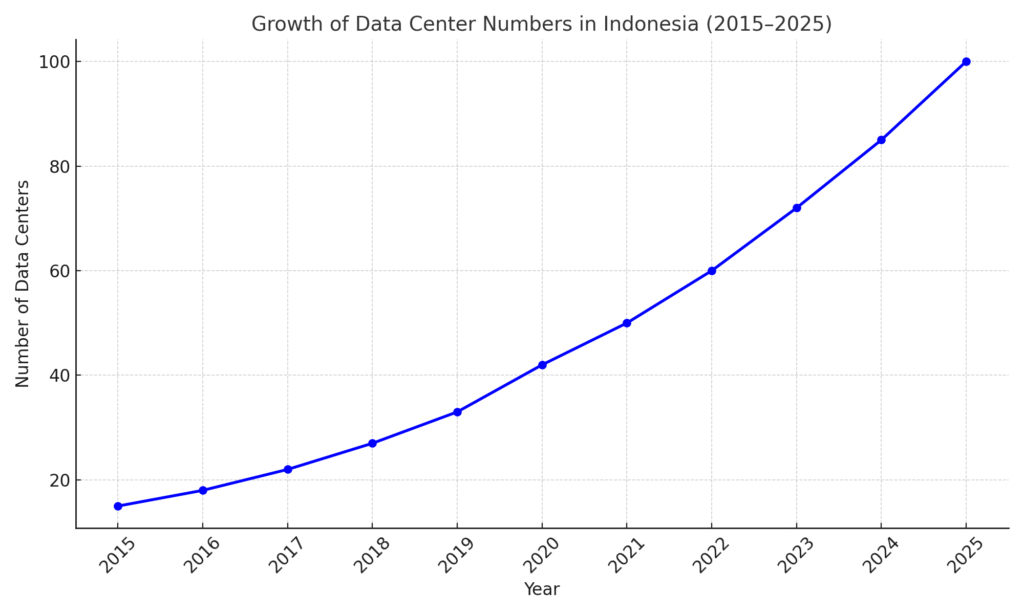
Indonesia’s Data Center industry is experiencing rapid and unprecedented growth, driven largely by the accelerated digital transformation during the COVID-19 pandemic. In a podcast hosted by Nusantara Data Center Academy, three industry experts—a country director of a Data Center operator, a CEO of an internet service provider, and a general manager of a Data Center consultancy—discussed the critical role of human resources (HR) in supporting this expansion. The conversation emphasized the importance of developing skilled personnel alongside infrastructure and regulatory improvements to ensure the sustainable growth of the sector.
The Surge in Demand for Data Centers
The rapid increase in demand for Data Centers in Indonesia is fueled by several factors:
- A large and growing internet user base
- Rising data consumption across businesses and households
- Accelerating digitalization of business, education, and social activities
Despite strong market growth, the industry faces a significant shortage of trained and certified Data Center professionals. Most personnel acquire expertise through hands-on experience rather than formal education or certification, which poses risks to operational safety and sustainability. Recent incidents, including fires in Jakarta Data Centers caused by improper handling and failure to adhere to international standards, highlight the urgency of addressing this skills gap.
Infrastructure and Regulatory Challenges
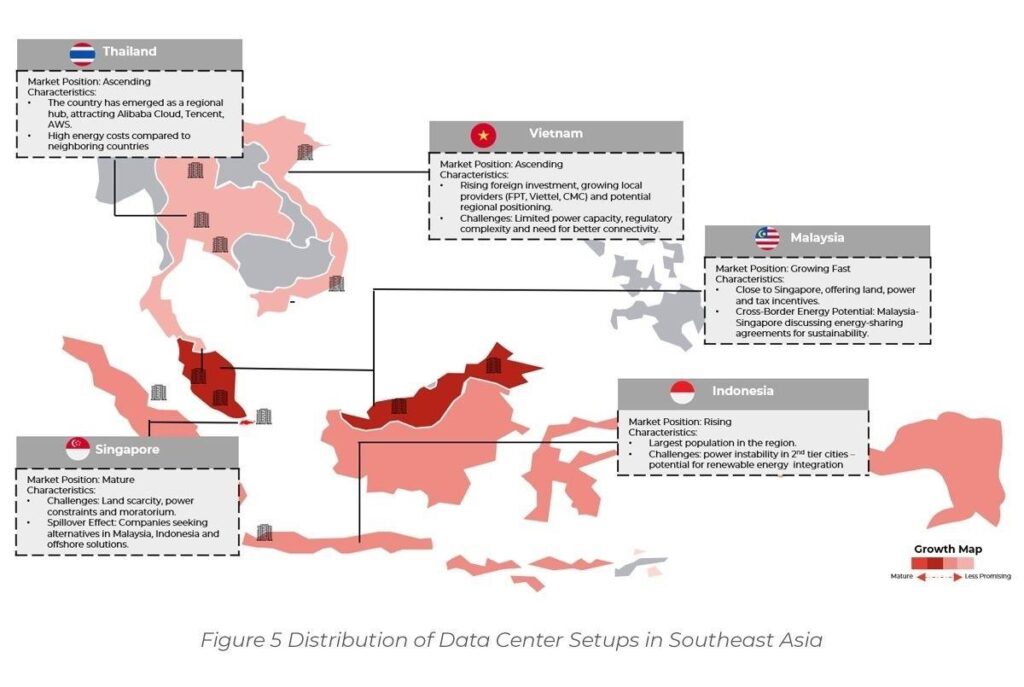
Beyond human resource issues, infrastructure and regulatory hurdles remain critical barriers to industry expansion. Hyperscale Data Centers demand substantial and reliable electricity, yet the cost and bureaucratic complexity of securing high-capacity power connections (e.g., 150 KV substations) can be prohibitive. These challenges sometimes push investors to relocate projects to countries like Malaysia, where regulatory processes and infrastructure are more favorable.
To support long-term growth, investment in power supply, telecommunications networks, and other critical infrastructure must keep pace with increasing demand. Streamlining regulations and improving the readiness of infrastructure are key to attracting and retaining investment within Indonesia.
Operational Risks and Standards
The podcast highlighted the operational risks arising from inadequate adherence to international standards and insufficiently trained staff. For example, improper fire suppression methods in Jakarta Data Centers caused more damage than the fires themselves, demonstrating the high stakes of operational errors. Developing certified training programs, enforcing best practices, and maintaining strict compliance with international standards are essential to minimize downtime, data loss, and financial losses.
Addressing the Human Resource Gap
The shortage of skilled Data Center professionals is perhaps the industry’s most critical bottleneck. Engineers, operators, and maintenance staff are in high demand, but the limited availability of formal training programs and certification pathways means the sector heavily relies on experienced personnel. This creates risks, as over-reliance on a small pool of experts can lead to operational mistakes and hinder the safe, sustainable growth of Data Centers.
Efforts such as those by Nusantara Data Center Academy aim to bridge this gap by providing specialized education, certifications, and practical training aligned with global standards. Collaboration between industry associations, educational institutions, and government bodies is essential to cultivate new talent while upskilling existing professionals.
Future Prospects and Market Dynamics
While some analysts express concern over potential over-supply of Data Centers by 2025, panelists in the podcast argue that demand will continue to rise due to:
- Growth in data consumption
- Widespread cloud adoption
- Emergence of new technologies such as autonomous vehicles, big data analytics, artificial intelligence, and online gaming
The evolution of data needs over the past decades shows that capacity must continuously expand to meet future requirements, making concerns about over-supply premature.
Complexity of Data Center Projects
Building and operating Data Centers is a highly complex, multidisciplinary endeavor. It requires expertise in power engineering, telecommunications, fire safety, and IT infrastructure. Many new entrants come from unrelated sectors, such as real estate, and may lack understanding of critical technical requirements. Without proper guidance, this can result in suboptimal designs and higher operational risks. Experienced consultants and operators are therefore crucial to ensuring that projects meet safety, efficiency, and scalability standards.
Conclusion
Indonesia’s Data Center industry stands at a pivotal moment, poised for strong growth but facing significant challenges. The sector’s success hinges on a coordinated approach to human resource development, regulatory reform, and infrastructure investment. Addressing the HR gap through education, certification, and practical training is as critical as building physical infrastructure.
Proactive preparation of talent, strict adherence to international operational standards, and continuous improvement of infrastructure will enable Indonesia to fully realize its potential as a regional Data Center hub, ensuring that the country’s digital transformation is supported by a robust, safe, and sustainable Data Center ecosystem.
For more details, listen directly to the podcast on YouTube Nusantara Academy and don’t forget to register for training by contacting https://wa.me/6285176950083


